
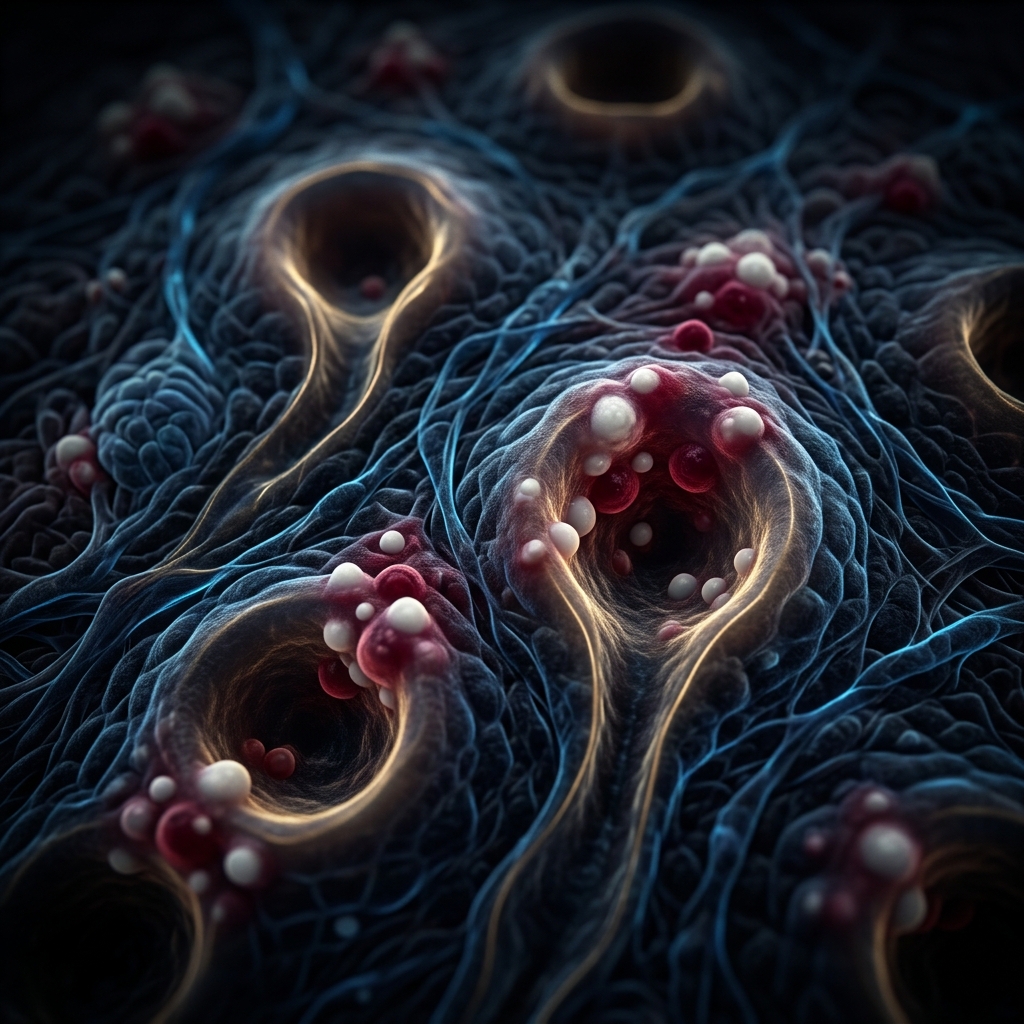
Rebellious Pores & Acne Vulgaris: Clinical Pathogenesis and Root-Cause Management
As a consultant dermatologist with extensive clinical experience in cutaneography and inflammatory skin disorders, I frequently reassure patients that acne vulgaris is far from a mere superficial blemish. Rather, it represents an organized inflammatory rebellion originating deep within the pilosebaceous follicles, requiring precise, multi-target dermatological therapy.
Anatomy of the Rebellion: Pathogenesis of Acne
Acne vulgaris develops through a complex cascade of events in the microenvironment of the skin. It initiates with follicular hyperkeratinization—an abnormal retention and adhesion of desquamated keratinocytes—combined with sebaceous hypersecretion driven by circulating androgens. This dense mixture forms a primary microcomedone, occluding the follicular ostium.
Within this sequestered, anaerobic, lipid-rich follicle, Cutibacterium acnes (formerly Propionibacterium acnes) proliferates exponentially. The bacterium hydrolyzes sebum triglycerides into free fatty acids and releases pro-inflammatory chemotactic factors that recruit neutrophils, T-lymphocytes, and macrophages. The resultant follicular rupture leads to erythematous papules, deep pustules, nodules, and agonizing cysts.
Evidence-Based Therapeutic Protocols: From Control to Remission
Dermatological management is tailored according to severity (mild, moderate, or severe nodulocystic) and patient phenotype:
- Topical Core Regimen: Combining topical retinoids (such as Adapalene or Tretinoin) to normalize follicular epithelial desquamation with Benzoyl Peroxide to suppress bacterial resistance and provide rapid antimicrobial action without antibiotic cross-resistance.
- Combination Topical Agents: Formulations featuring fixed-dose Clindamycin with Benzoyl Peroxide or Adapalene help target multiple pathogenic arms concurrently while reducing the duration of therapy.
- Systemic Antibiotics: For widespread moderate inflammatory acne on the face, chest, or back, a course of oral Doxycycline or Lymecycline is deployed for anti-inflammatory immunomodulation, typically restricted to 8–12 weeks.
- Systemic Isotretinoin (The Gold Standard): In severe nodulocystic, refractory, or scar-inducing acne, oral Isotretinoin remains the ultimate therapeutic agent. By inducing apoptosis in sebocytes, shrinking sebaceous gland volume by up to 90%, and halting comedogenesis, it achieves long-term remission under strict monitoring of liver biochemistry and lipid profiles.
Clinical Pearls from Practice
Dermatological patience is paramount: epidermal turnover requires 6 to 8 weeks before noticeable clinical clearing emerges. Physical manipulation or squeezing of inflammatory lesions must be strictly avoided; doing so ruptures follicular basement membranes into the dermis, causing deep scarring, subcutaneous fibrosis, and post-inflammatory erythema (PIE).
Frequently Asked Questions
Do dietary factors such as dairy and chocolate exacerbate acne?
High glycemic index diets stimulate insulin-like growth factor 1 (IGF-1), which triggers sebocyte proliferation and androgen-mediated sebum production. Whey protein supplements and skimmed dairy products also demonstrate clinical correlation with heightened inflammatory breakouts in genetically predisposed individuals.
When should systemic Isotretinoin be considered?
Systemic Isotretinoin is indicated for severe nodular/cystic acne, moderate acne resistant to prolonged oral antibiotic therapies, acne with rapid progression toward physical scarring, or cases imposing severe psychological distress.
Consult with Dr. Ammar Al-Jarrah
Book a comprehensive consultation at our clinic for accurate diagnosis and tailored medical care.