
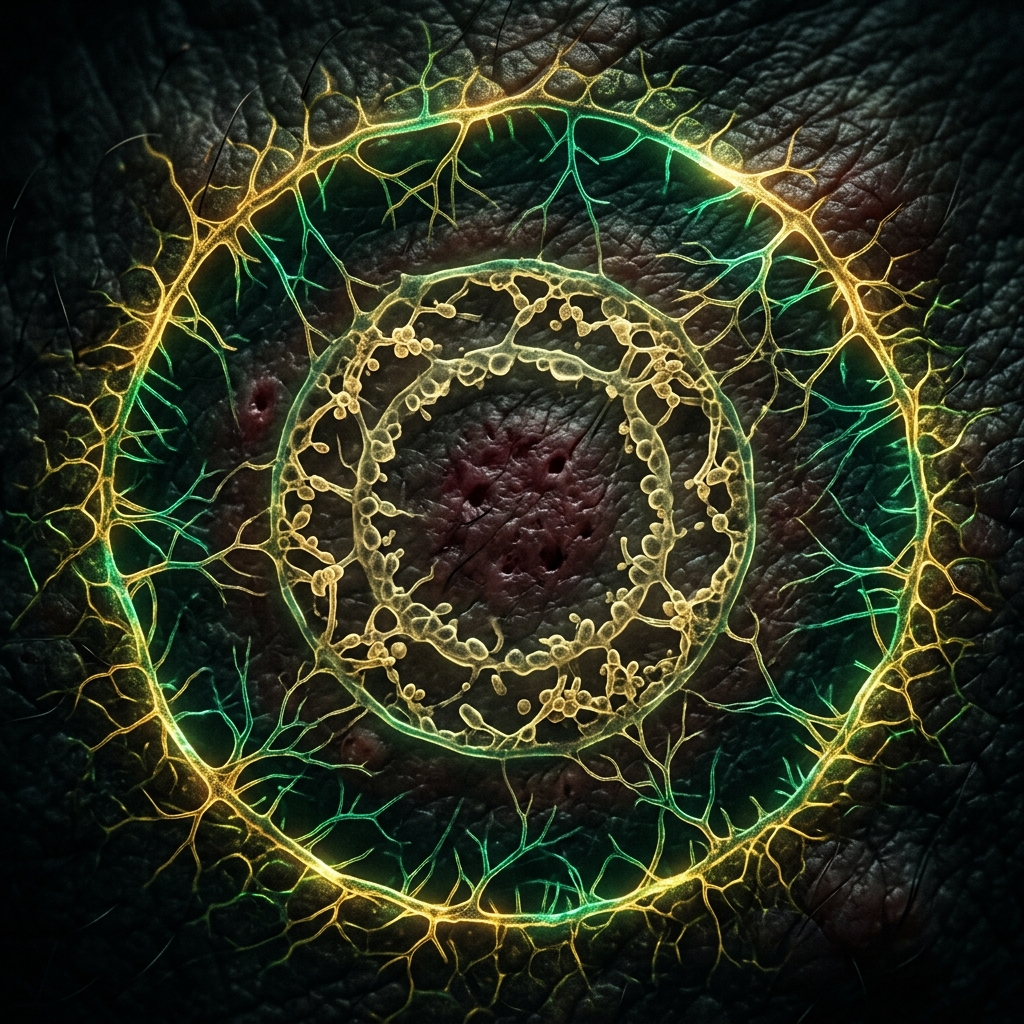
Cutaneous Fungal Infections: Accurate Diagnosis, Mycological Testing & Targeted Antifungals
Cutaneous fungal infections are among the most frequently misdiagnosed dermatological conditions. Prescribing topical corticosteroid creams to a fungal infection creates 'Tinea Incognito'—suppressing inflammation while allowing fungal hyphae to invade unchecked.
Spectrum of Fungal Pathogens
Cutaneous mycoses generally divide into three major classes:
- Dermatophytes: Keratinophilic fungi (Trichophyton, Microsporum, Epidermophyton) that feed on keratin in the stratum corneum, nails, and hair shafts, producing classical annular plaques with active, elevated erythematous borders (Tinea Corporis, Tinea Pedis, Tinea Capitis).
- Yeasts (Malassezia species): Commensal dimorphic yeasts that transform into opportunistic pathogens under warm, humid conditions, causing Pityriasis Versicolor (hypopigmented or hyperpigmented macules) and Seborrheic Dermatitis.
- Candida: Opportunistic yeasts producing macerated, bright red intertriginous plaques with characteristic surrounding satellite pustules.
Definitive Diagnosis: Potassium Hydroxide (KOH) & Culture
Before initiating therapy, active border scrapings examined under direct microscopy with 10–20% KOH reveal branching septate hyphae or yeast blastospores within minutes, preventing inappropriate steroid treatment.
Targeted Antifungal Protocols
Superficial localized tinea responds well to topical allylamines (Terbinafine) or imidazoles (Clotrimazole, Ketoconazole). Extensive, tinea capitis, or onychomycosis cases mandate targeted oral antifungal courses with Terbinafine or Itraconazole accompanied by baseline hepatic screening.
Frequently Asked Questions
Why does tinea versicolor leave persistent white patches even after successful treatment?
Malassezia produces azelaic acid, which temporarily inhibits tyrosinase activity and melanin production in melanocytes. Even after the yeast is eradicated, repigmentation requires several weeks of normal sun exposure and cellular turnover.
Can ringworm (Tinea Corporis) be caught from domestic pets?
Yes. Zoophilic dermatophytes, notably <em>Microsporum canis</em>, are readily transmitted from cats, dogs, or rabbits to humans, producing intensely inflammatory ring-shaped lesions.
Consult with Dr. Ammar Al-Jarrah
Book a comprehensive consultation at our clinic for accurate diagnosis and tailored medical care.