
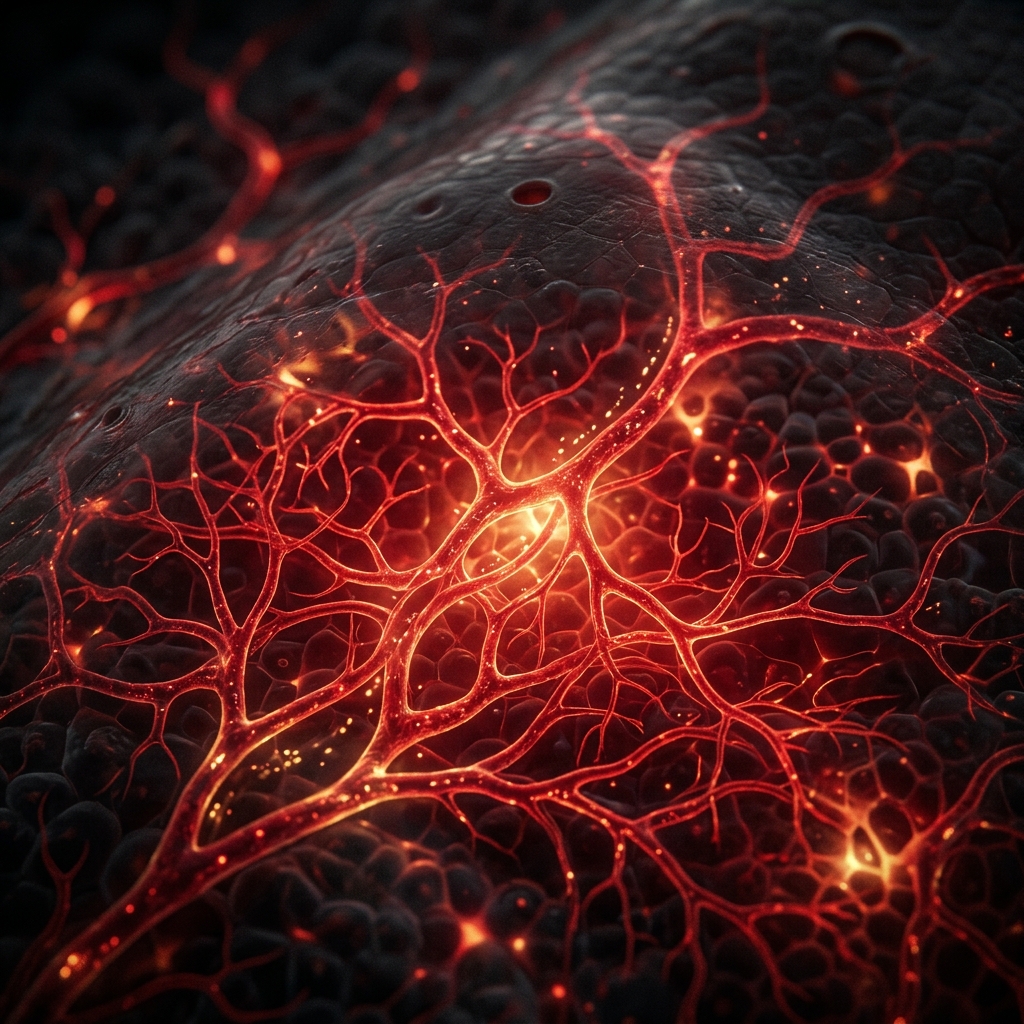
Beyond the Blush: Clinical Management of Rosacea & Cutaneous Flushing
Rosacea is frequently mistaken for adult acne, yet the two conditions possess fundamentally different pathological mechanisms. Treating rosacea with harsh conventional acne preparations severely damages an already hypersensitive vascular and barrier network.
The Four Clinical Subtypes of Rosacea
Accurate classification guides targeted dermatological care:
- Erythematotelangiectatic Rosacea: Persistent facial erythema, flushing, and visible linear telangiectasias across the convexities of the face (cheeks, nose, forehead).
- Papulopustular Rosacea: Dome-shaped inflammatory papules and pustules without comedones, often accompanied by burning or stinging sensations.
- Phymatous Rosacea: Tissue hypertrophy and sebaceous hyperplasia leading to irregular thickening of the skin, most notably on the nose (Rhinophyma).
- Ocular Rosacea: Blepharitis, conjunctival injection, gritty foreign body sensation, and recurrent chalazia requiring prompt interdisciplinary management.
Key Pathogenic Drivers: Neurovascular & Demodex
Rosacea involves dysregulation of the innate immune system (overexpression of Cathelicidin LL-37) triggered by neurovascular hypersensitivity, UV radiation, and an abnormal proliferation of microscopic Demodex folliculorum mites living within the facial follicles.
Evidence-Based Therapeutic Regimens
Contemporary management combines barrier-preserving topical therapies (Ivermectin to eradicate Demodex, Azelaic Acid to suppress inflammation, Brimonidine for temporary vascular vasoconstriction) with sub-antimicrobial dose oral Doxycycline (40 mg daily) and vascular lasers/IPL to selectively coagulate unwanted telangiectasias.
Frequently Asked Questions
What common triggers induce rosacea flushing?
Thermal stressors (hot beverages, saunas), dietary elements (spicy foods, alcohol), ultraviolet radiation, strenuous exertion, and intense emotional stress.
How do dermatologists distinguish rosacea papules from acne pimples?
Rosacea presents without true comedones (blackheads/whiteheads) and is typically restricted to the central third of the face, accompanied by background erythema and vascular reactivity.
Consult with Dr. Ammar Al-Jarrah
Book a comprehensive consultation at our clinic for accurate diagnosis and tailored medical care.