

Latest Vascular Laser Techniques for Rosacea Treatment in Amman
Rosacea is a chronic inflammatory vascular disorder affecting the face, characterised by persistent erythema, the appearance of fine dilated blood vessels (telangiectasia), and acneiform papules and pustules in advanced cases.
Integrated Treatment Protocol at Dr. Ammar Al-Jarrah's Clinic
Dr. Ammar Al-Jarrah, Consultant Dermatologist, Dermatologic and Laser Surgeon in Amman and holder of the British Fellowship MRCP UK, explains that the treatment of rosacea requires a multi-level approach combining:
- Specialised vascular laser: to close dilated blood vessels and eliminate persistent flushing without damaging surrounding tissues.
- Topical and immunomodulatory therapies: to reduce inflammation and soothe irritation of the skin barrier.
- Sensitive skin protection protocol: using fragrance-free medical sunscreens and surface barrier repair agents.
The results of vascular laser treatment appear gradually, with noticeable improvement in skin clarity and a reduction in the frequency of flushing episodes after 3 to 5 treatment sessions.
Frequently Asked Questions
What is vascular rosacea and how does it differ from acne?
Vascular rosacea is a chronic skin disorder characterised by persistent facial erythema, dilation of fine blood vessels (telangiectasia), and may progress to acne-like papules and pustules. The main difference is that acne results from sebaceous gland obstruction and bacteria, whereas rosacea is a neurovascular inflammatory condition, often beginning in midlife and affecting the forehead, nose, cheeks, and chin, and is aggravated by triggers such as heat, spices, and alcohol.
How does vascular laser work in treating rosacea?
Vascular laser (such as pulsed dye laser PDL or Nd:YAG laser) targets dilated blood vessels in the skin. Haemoglobin in the blood absorbs the light energy, leading to heating of the vessel wall and its gradual closure without damaging surrounding tissues. This reduces erythema and persistent flushing and improves the appearance of the skin.
How many vascular laser sessions are required to treat rosacea?
Usually, the patient requires 3 to 5 sessions, with an interval of 4 to 6 weeks between each session. Results appear gradually with noticeable improvement in skin clarity and a reduction in the frequency of flushing episodes. Some patients may require periodic maintenance sessions to maintain the results.
Is vascular laser treatment for rosacea painful? What is the recovery period?
The patient may feel a mild to moderate stinging sensation during the session, and a topical anaesthetic or skin cooling can be used to alleviate pain. After the session, mild redness and slight swelling may appear, usually resolving within 24-48 hours. Most patients return to their daily activities immediately, with the need to avoid direct sun exposure and use medical sunscreen.
What adjunctive treatments does Dr. Ammar Al-Jarrah recommend alongside vascular laser?
Dr. Ammar Al-Jarrah recommends an integrated approach including: topical treatments such as metronidazole, ivermectin, or azelaic acid to reduce inflammation, and systemic treatments such as low-dose doxycycline to control inflammation. In addition to a sensitive skin protection protocol using fragrance-free medical sunscreens and surface barrier repair agents.
Is vascular laser safe for all skin types?
Yes, vascular laser is safe for most skin types when used by a specialist physician. However, there may be a higher risk of pigmentation or colour changes in darker skin, so the appropriate laser type and settings are carefully selected. Dr. Ammar Al-Jarrah assesses the patient's skin type and medical history before treatment to ensure safety and efficacy.
What are the common triggers for rosacea flares and how can they be avoided?
Common triggers include: sun exposure, extreme heat or cold, spicy foods and spices, hot beverages, alcohol, psychological stress, and some skincare products containing alcohol or fragrances. It is advisable to avoid these triggers as much as possible, use sunscreen daily, and follow a gentle skincare routine.
Can rosacea return after vascular laser treatment?
Rosacea is a chronic condition, and symptoms may recur over time even after successful treatment. However, vascular laser significantly reduces erythema and vascular dilations, and results can be maintained by adhering to topical and preventive treatments and avoiding triggers. The physician may recommend periodic maintenance sessions every 6-12 months.
What is the cost of vascular laser sessions for rosacea treatment at Dr. Ammar Al-Jarrah's clinic?
The cost of the session varies depending on the type of laser used, the area treated, and the number of sessions required. We recommend visiting the clinic for a consultation and comprehensive assessment, where Dr. Ammar Al-Jarrah will provide a detailed treatment plan with an estimated cost. Flexible payment options are also available.
Is vascular laser treatment for rosacea suitable for patients with other skin conditions?
Each case must be assessed individually. Vascular laser may be suitable for rosacea patients who also have conditions such as acne or pigmentation, but it must be ensured that there are no contraindications such as active infections or wound healing disorders. Dr. Ammar Al-Jarrah reviews the full medical history and performs a precise clinical examination before treatment to ensure the best results and lowest risks.

Dr. Ammar Al-Jarrah (MRCP UK)
Author & Clinical ReviewerConsultant Dermatologist, Trichologist & Laser Surgery Specialist
Member of the Royal College of Physicians of the United Kingdom (MRCP UK). Specializes in complex dermatological conditions, digital dermoscopy, scalp disorders, and fractional laser reconstruction. All articles undergo scheduled clinical reviews aligned with peer-reviewed medical guidelines.
- British Association of Dermatologists (BAD) : Clinical Guidelines for the Evidence-Based Management of Cutaneous Conditions & Laser Interventions.
- Journal of the American Academy of Dermatology (JAAD) : Procedural algorithms, digital dermoscopy standards, and atrophic scar remodeling protocols.
- European Academy of Dermatology and Venereology (EADV) : Consensus on biologic therapies and surgical scar revision therapies.
Related Clinical Articles
View All
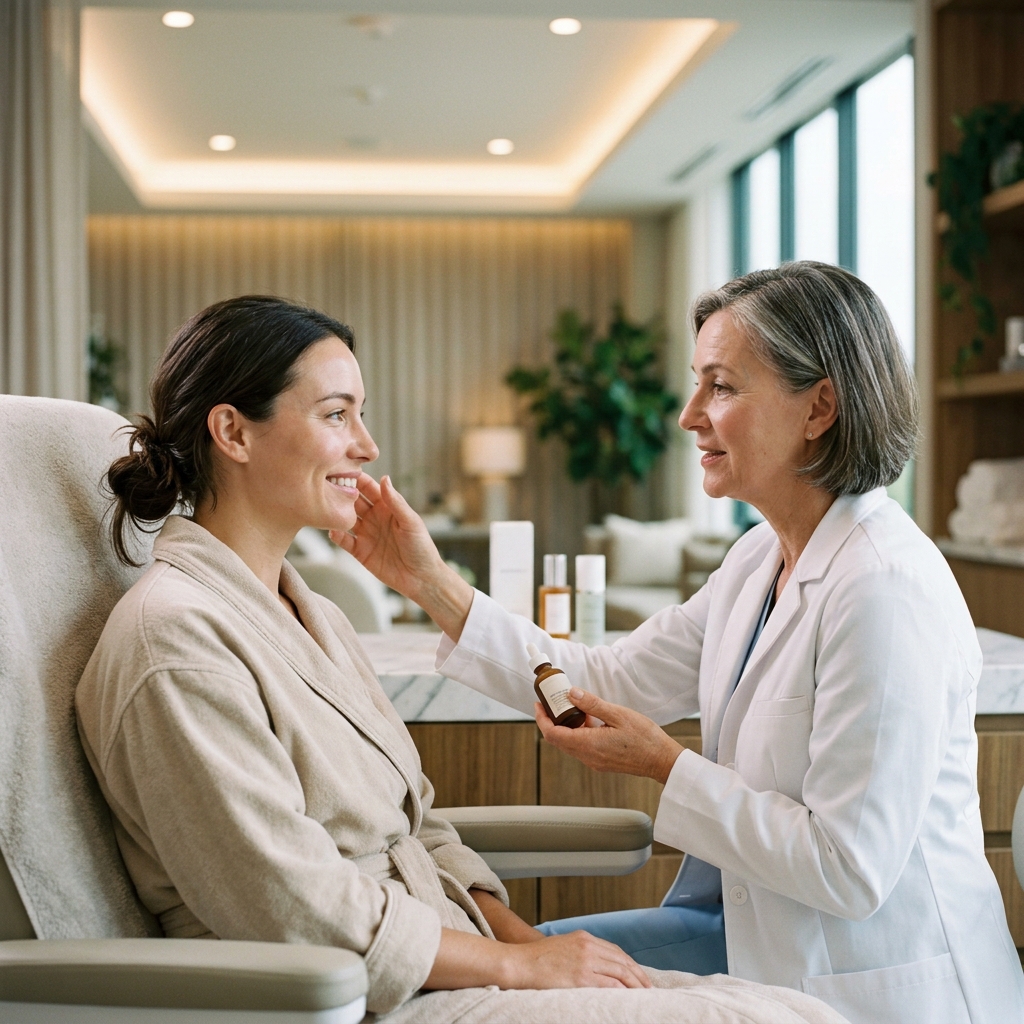
Consult with Dr. Ammar Al-Jarrah
Book a comprehensive consultation at our clinic for accurate diagnosis and tailored medical care.